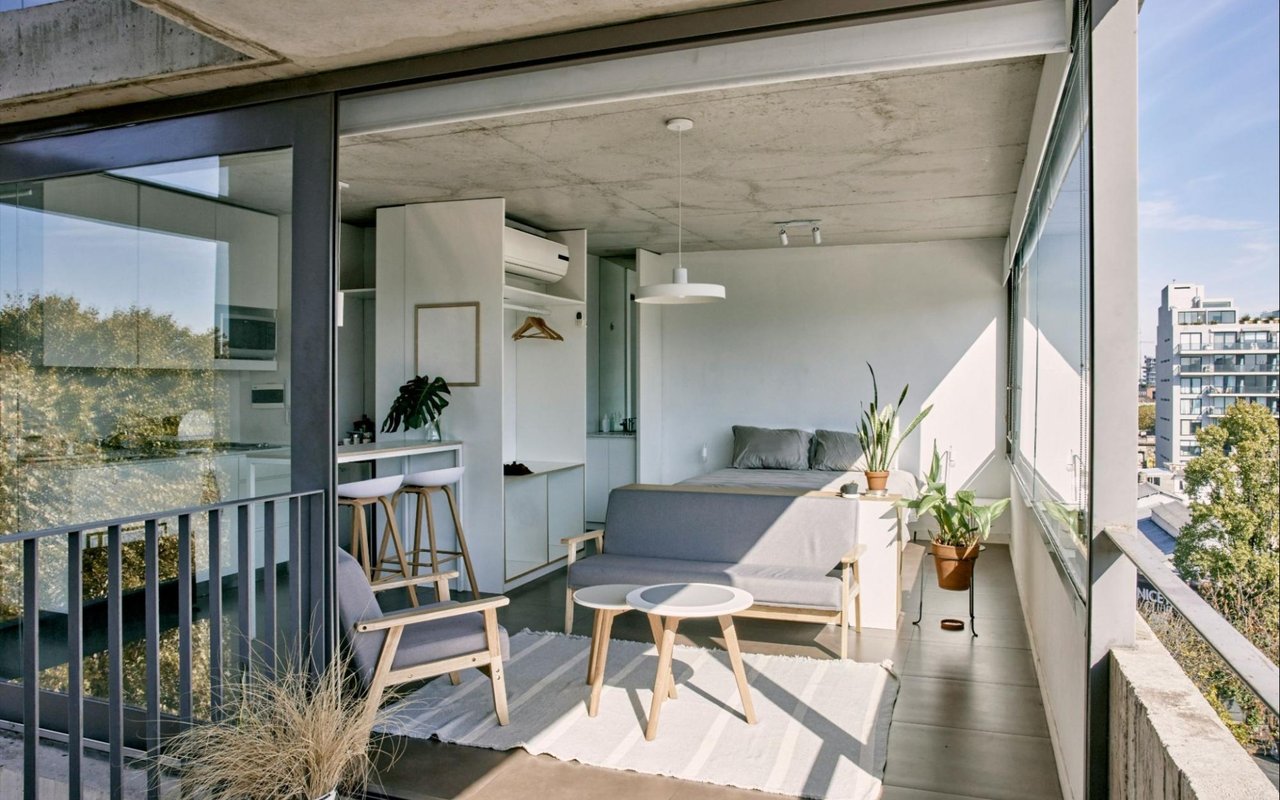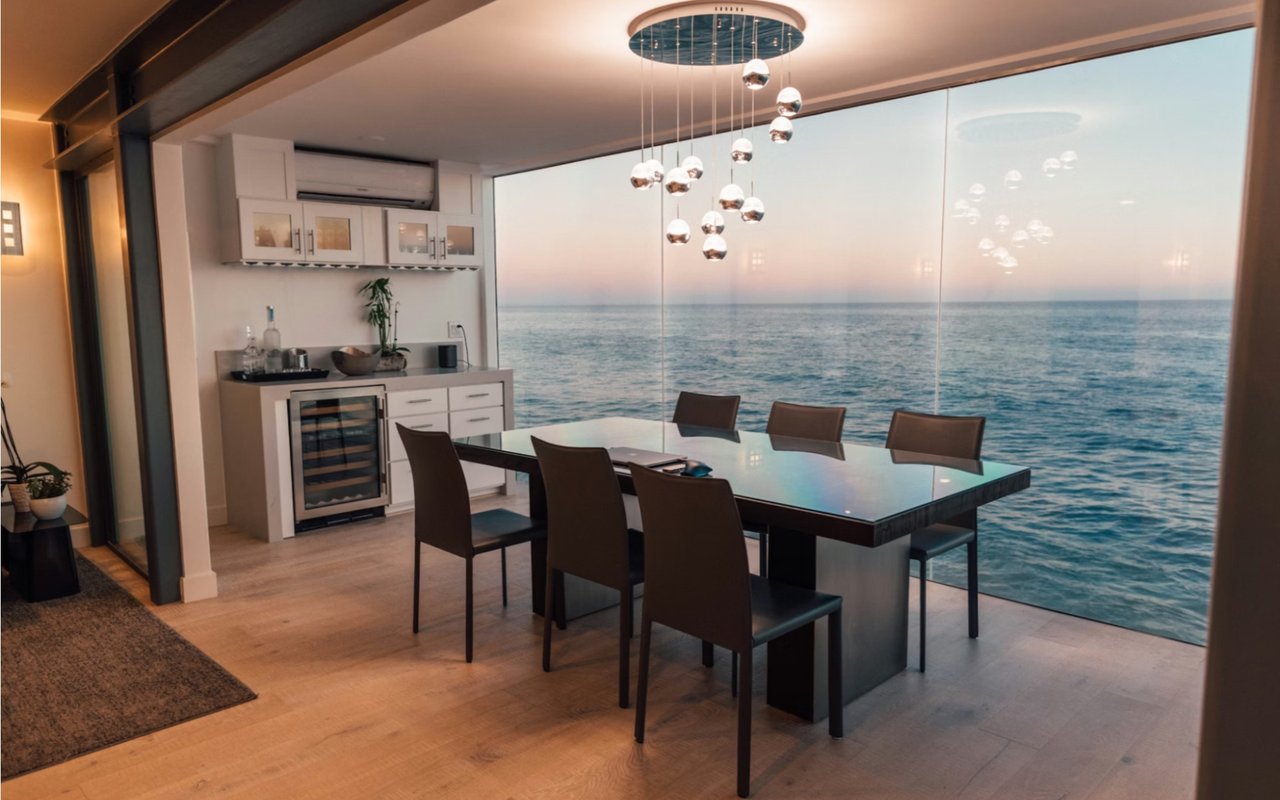
Selecting paint for your home involves more than choosing a shade you like. Color affects how a room feels, how large or small it appears, and even how your mind responds to the space. Homeowners can use room color psychology, interior color coordination tips, and color scheme planning for rooms to create spaces that support daily life. This guide explains how to choose paint colors for your home, offering a room color selection guide rooted in science. Whether you are refreshing a single room or preparing a property for the San Diego, CA real estate market, thoughtful choices make a significant impact.
Fast Facts About Paint and Colors
- Sir Isaac Newton designed the first color wheel in 1706, establishing a framework still used in modern color palette selection strategies.
- Residential paint containing lead wasn’t fully banned in the United States until 1978, even though some nations restricted it decades earlier.
- Sherwin-Williams introduced the earliest ready-to-use paint in 1866, changing the way homeowners approached interior projects.
- Roughly 10% of architectural paint sold—more than 750 million gallons—goes unused each year.
How Science Can Help You Choose Your Home’s Paint Colors
Color science helps explain why certain shades impact mood, energy, and focus. Warm tones tend to create stimulation, while cooler hues often deliver calm. Understanding these responses supports selecting wall colors for mood enhancement and achieving color harmony in interiors.
Light also plays a central role in choosing the right paint colors. Natural daylight reveals the truest version of a color, while artificial lighting alters tone significantly. LED bulbs often sharpen cool tones, while warm bulbs soften deeper hues.
Design science also incorporates contrast and balance. For example, harmonizing colors in home decor often starts with a dominant shade, a secondary support tone, and a small amount of contrast for visual interest. This method is widely used in paint recommendations and room color matching techniques.
Light also plays a central role in choosing the right paint colors. Natural daylight reveals the truest version of a color, while artificial lighting alters tone significantly. LED bulbs often sharpen cool tones, while warm bulbs soften deeper hues.
Design science also incorporates contrast and balance. For example, harmonizing colors in home decor often starts with a dominant shade, a secondary support tone, and a small amount of contrast for visual interest. This method is widely used in paint recommendations and room color matching techniques.
Choosing a Home Color Scheme
A whole-home color plan helps maintain consistency from one room to the next. Begin with a base tone—often neutral—that works throughout the home. Then, add accent colors that support the base while still offering variation. Here are strategies to consider:
- Assess your home’s lighting: North-facing rooms tend to lean cooler, while south-facing spaces appear brighter.
- Match colors to intended function: For example, rooms used for concentration benefit from muted tones, while social spaces may support richer shades.
- Create flow: Use transition colors for hallways to create visual flow.
- Consider a room’s use: Apply color choice impact on the room’s atmosphere by deciding whether you want a room to feel calm, energized, or neutral.
This approach offers a strong foundation for both design cohesion and interior comfort.
Best Colors for Every Room of the House
Bedroom
Bedrooms benefit from hues that promote rest. Soft blues, muted greens, or gentle neutrals often support relaxation. These tones align well with room color psychology by creating a sense of quiet and stability. Using a calm palette also helps enhance room aesthetics with colors that don’t overwhelm the space.
Kitchen
Kitchens function best with clean, balanced colors. Whites, light grays, or warm neutrals keep the room feeling fresh while allowing food, lighting, and décor to stand out. Because kitchens are high-traffic spaces, selecting shades that reflect light well and maintain longevity is useful. Many homeowners also apply room color-matching techniques here to integrate cabinetry, flooring, and countertops.
Living Room
Living rooms support a range of activities, so color choice should feel welcoming without dominating the space. Earth tones, light taupe, or desaturated greens help maintain visual balance. These selections help support a smooth flow into adjacent rooms, particularly in open layouts common in San Diego, CA real estate. Best colors for room ambiance often begin with neutrals accented by strategic pops of color.
Home Office
For productivity, many people choose colors that reduce distraction. Blues, greens, or mid-tone neutrals often enhance focus and align with selecting wall colors for mood enhancement. Pairing these with natural light helps reinforce an environment that supports clarity during long working hours.
Bathroom
Bathrooms benefit from light, clean tones that reflect light well. Pale neutrals, soft blues, or subtle grays help create a controlled aesthetic. Because bathrooms often have limited space, choosing the right paint colors can make the room appear more open and maintain a consistent feel with nearby areas.
Mistakes People Make When Choosing a Paint Color
Many homeowners rush color selection before evaluating lighting, room function, or long-term plans. One frequent mistake is testing a paint swatch only on a small section of the wall. Larger samples provide a more accurate reading of how color behaves at different times of day.
Another misstep is ignoring undertones. For example, a gray paint may lean blue or green depending on the base pigment. Undertones affect color choice, impact on room atmosphere, and can disrupt color harmony if not carefully reviewed.
Finally, some homeowners select shades in isolation rather than using an overall room color selection guide. A coordinated palette ensures smooth visual transitions throughout the home and prevents clashing tones.
Another misstep is ignoring undertones. For example, a gray paint may lean blue or green depending on the base pigment. Undertones affect color choice, impact on room atmosphere, and can disrupt color harmony if not carefully reviewed.
Finally, some homeowners select shades in isolation rather than using an overall room color selection guide. A coordinated palette ensures smooth visual transitions throughout the home and prevents clashing tones.
Frequently Asked Questions About the Science of Paint
Which paint colors can help a room appear larger?
Lighter tones reflect more light, giving the impression of extra space. Using soft neutrals often increases visual openness.
Do some colors help improve concentration?
Colors with low saturation, such as muted blues or greens, may support focus by minimizing visual distractions in a workspace.
Can paint choices affect a home’s resale interest?
Yes. Neutral, well-coordinated palettes often appeal to a broader range of buyers and may support stronger market performance.
About The RMCI Group
The RMCI Group operates as a top real estate development company based in San Diego, California. Its leadership team—including Ginger Martin, Eric Iantoro, and Seth O’Byrne—guides the firm’s vision and strategy. The organization has built more than 100 custom homes in over 20 different markets, establishing a reputation for projects that blend lifestyle, design, and high-end living.
Many of their developments reach the eight-figure price range and often secure buyer interest before construction is finalized. Their staff includes professionals in real estate, finance, construction, design, and project oversight, enabling them to manage each phase of development with precision. Because the company offers a full suite of services, they oversee everything from acquisition to entitlements, building, and final delivery.
If you're looking to buy or sell a home or have any questions about the San Diego, CA real estate market, contact The RMCI Group today.
Many of their developments reach the eight-figure price range and often secure buyer interest before construction is finalized. Their staff includes professionals in real estate, finance, construction, design, and project oversight, enabling them to manage each phase of development with precision. Because the company offers a full suite of services, they oversee everything from acquisition to entitlements, building, and final delivery.
If you're looking to buy or sell a home or have any questions about the San Diego, CA real estate market, contact The RMCI Group today.