By The RMCI Group, Luxury Home Developer
Building a house in California is an exciting milestone, especially in a dynamic and desirable market like San Diego. From coastal modern estates in La Jolla to custom hillside homes in Del Mar or contemporary residences in Mission Hills, new construction offers the opportunity to design a home that truly reflects your lifestyle.
However, California’s regulatory environment, combined with San Diego’s unique geography and zoning requirements, means the process must be approached with care and expertise.
At The RMCI Group, we’ve guided homeowners through every stage of the custom home-building journey. In this article, we’re outlining the essential steps to building a house in San Diego and how to ensure the process remains smooth, efficient, and rewarding from start to finish.
Step 1: Define Your Vision and Goals
Every successful build starts with clarity. Before purchasing land or engaging professionals, it’s important to define what you want your home to achieve.
Lifestyle and Functionality
Consider how you plan to live in the home. Are you building a primary residence, a multigenerational home, or a luxury second property? Think about bedroom count, indoor-outdoor living spaces, home offices, wellness amenities, and entertaining areas — all especially relevant in San Diego’s climate.
Architectural Style
San Diego is known for its architectural diversity, from Spanish Revival and coastal contemporary to modern minimalist designs. Identifying a style early helps guide design decisions and ensures cohesion throughout the build.
Budget Parameters
Establish a realistic budget range that includes construction, design, permits, utilities, landscaping, and contingencies. Building in California often involves higher costs due to labor, materials, and regulatory requirements, so accurate early planning is essential.
Step 2: Secure the Right Property
Not all lots are created equal, particularly in San Diego.
Zoning and Land Use
Before purchasing land, confirm zoning regulations, allowable square footage, height limits, setbacks, and any coastal or environmental overlays. Areas near the coast may fall under California Coastal Commission oversight, which adds an additional layer of review.
Site Conditions
Topography plays a major role in construction costs. Hillside lots, common in areas like La Jolla or Carmel Valley, may require grading, retaining walls, or caisson foundations. Soil conditions and seismic considerations also influence engineering requirements.
Utility Access
Ensure the property has access to water, sewer, electricity, and gas — or understand the cost of bringing those services to the site.
Step 3: Assemble Your Professional Team
Building a house is a collaborative effort, and the right team makes all the difference.
Architect and Designer
Your architect translates your vision into buildable plans while navigating local building codes. In San Diego, experience with regional styles and permitting agencies is invaluable.
Builder or Developer
Working with an experienced luxury home builder like The RMCI Group ensures your project is managed holistically — from preconstruction planning to final walkthrough. We coordinate consultants, trades, and schedules while maintaining quality control throughout.
Consultants and Engineers
Depending on the site and scope, you may need structural engineers, civil engineers, geotechnical specialists, and energy consultants to comply with California Title 24 energy standards.
Step 4: Design Development and Preconstruction Planning
Once your team is in place, the design phase begins in earnest.
Conceptual Design
Initial drawings establish layout, massing, and orientation. In San Diego, orientation is particularly important for natural light, ocean breezes, and indoor-outdoor flow.
Construction Documents
Detailed plans are prepared for permitting and construction. These include architectural drawings, structural calculations, energy compliance reports, and site plans.
Cost Analysis
Preconstruction budgeting ensures the design aligns with your financial goals. Adjustments can be made early, avoiding costly changes later.
Step 5: Permitting and Approvals
Permitting is often the most complex step in building a house in California.
City of San Diego Permits
Most projects require approvals from the City of San Diego Development Services Department. This process reviews zoning compliance, structural safety, energy efficiency, and environmental impact.
Coastal and Special Reviews
Homes near the coastline may require Coastal Development Permits. Historic districts or environmentally sensitive areas may trigger additional review boards.
Timeline Expectations
Permitting timelines vary based on project complexity. Working with a builder experienced in San Diego’s approval processes helps minimize delays and ensures applications are complete and accurate.
Step 6: Construction Phase
With permits in hand, construction begins.
Site Preparation
This includes grading, excavation, and foundation work. In San Diego, seismic considerations and soil conditions play a critical role at this stage.
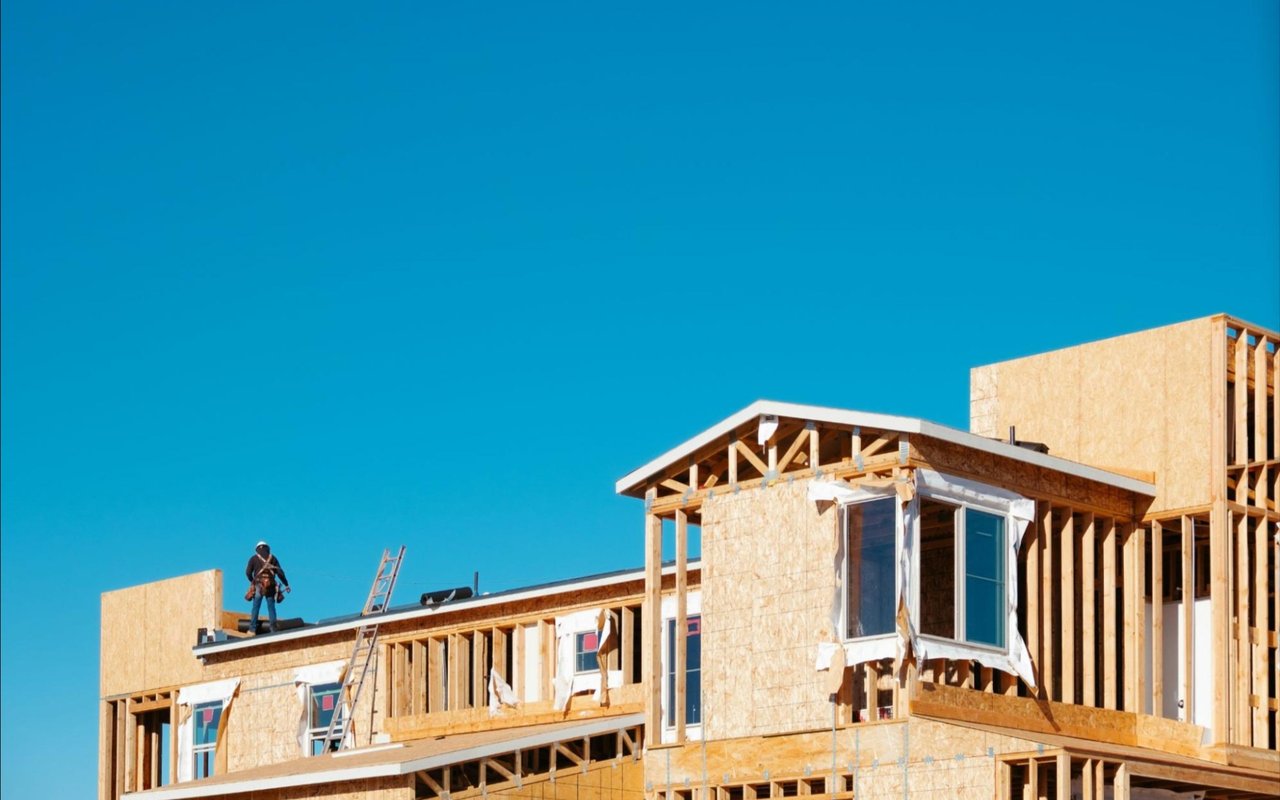
Framing and Systems
Once the structure is framed, major systems such as plumbing, electrical, and HVAC are installed. California’s energy efficiency requirements influence insulation, window selection, and system design.
Interior and Exterior Finishes
This phase brings the home to life. Flooring, cabinetry, stonework, fixtures, and exterior finishes are installed with attention to detail and craftsmanship — a hallmark of luxury construction.
Inspections
Throughout construction, inspections are conducted to ensure compliance with codes and approved plans.
Step 7: Final Walkthrough and Completion
As construction concludes, the focus shifts to refinement and readiness.
Punch List and Quality Review
A final walkthrough identifies any remaining adjustments. At The RMCI Group, we prioritize meticulous finishes and operational excellence before project delivery.
Certificate of Occupancy
Once all inspections are passed, the city issues a Certificate of Occupancy, allowing you to move into your new home.
Ongoing Support
A reputable builder remains available after completion to address warranty items and ensure long-term satisfaction.
San Diego-Specific Advantages of New Construction
Building new in San Diego allows homeowners to take full advantage of the region’s lifestyle and climate. Modern construction techniques enable seamless indoor-outdoor living, energy-efficient design, and smart home integration. Additionally, new homes are designed to meet current seismic and safety standards, providing peace of mind.
FAQ
How long does it take to build a house in San Diego?
From design through completion, most custom homes take 18 to 30 months, depending on complexity, permitting timelines, and site conditions.
Is it more expensive to build or buy in San Diego?
While building can require a higher upfront investment, it allows for customization, energy efficiency, and long-term value that many buyers find worthwhile.
What are the biggest challenges of building in California?
Permitting, zoning restrictions, and construction costs are the most common challenges. Working with an experienced local builder helps navigate these effectively.
Do I need a builder before buying land?
It’s highly recommended. A builder can evaluate the feasibility, costs, and constraints of a property before purchase.
Can I make changes during construction?
Yes, but changes can affect the budget and timeline. Thorough planning during design helps minimize revisions later.
Building a home in San Diego should be an exciting and rewarding experience, not an overwhelming one. At The RMCI Group, we specialize in guiding homeowners through every step of the California custom home-building process with clarity, precision, and exceptional craftsmanship.
Visit the team today to explore our approach, view recent projects, and schedule a consultation.
Let us help you turn your vision into a home built to last.